A 2024 systematic review found iron deficiency drops endurance performance by 3 to 4%, yet most standard blood panels label cyclists with low stores as "normal."
A small Northumbria University trial in trained cyclists showed Montmorency cherry concentrate cut oxidative stress markers across three days of simulated road racing, on a dose of just 30 mL twice a day.
Peak plasma caffeine hits 45 to 60 minutes after you drink it, and the dose that actually moves your watts is 2 to 3 times bigger than a single espresso.
Cut through the hype and focus on what really moves the needle: carbs, caffeine, nitrates, bicarbonate, protein, electrolytes, and key micronutrients. This guide shows cyclists where supplements can add a small (but real) edgeand where training, fueling, and recovery still win.
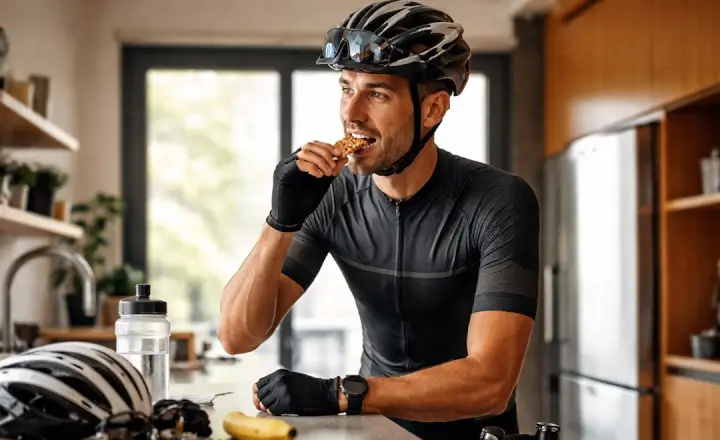
Fuel smarter before you ride with a simple framework for what to eat, how much, and when so you start strong, avoid heavy legs, and keep energy steady from the first pedal stroke to the final mile.
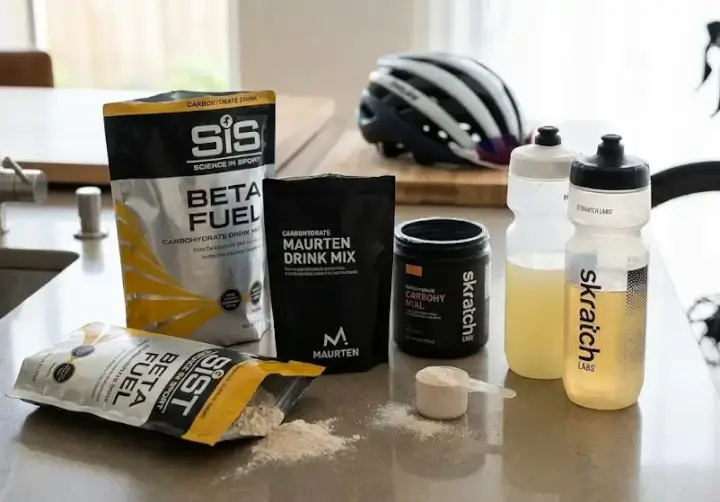
Forget bananas and bars. We break down the new 2025 standard of 80g+ carbohydrates per hour and the only drinks that make it possible without a stomach ache.
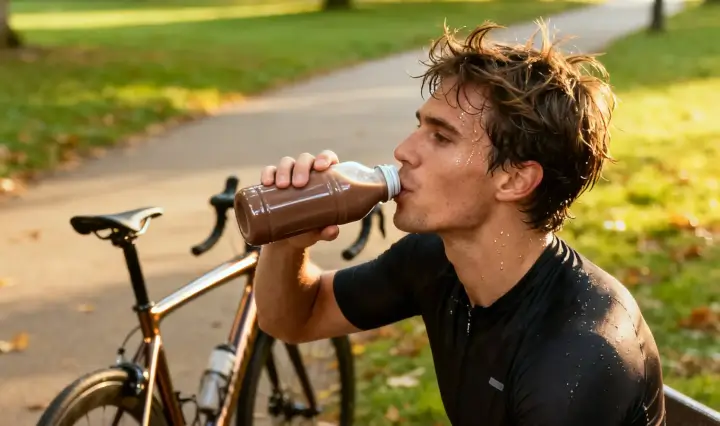
Chocolate milk isn’t just a tasty treat it could be the most effective recovery drink for cyclists. Discover why science backs this affordable, convenient option over expensive sports powders.
Your ride isn’t over when you unclip. Learn how to refuel, rebuild, and rehydrate after a tough session to recover faster, get stronger, and perform better on your next ride.
This definitive guide breaks down the science of pre-ride nutrition, telling you exactly what to eat and when from the days before to the final hour to maximize your energy and performance.
Unbroken, a salmon protein-based recovery tablet used by Lidl-Trek, aims to accelerate muscle repair with fast-digesting amino acids.