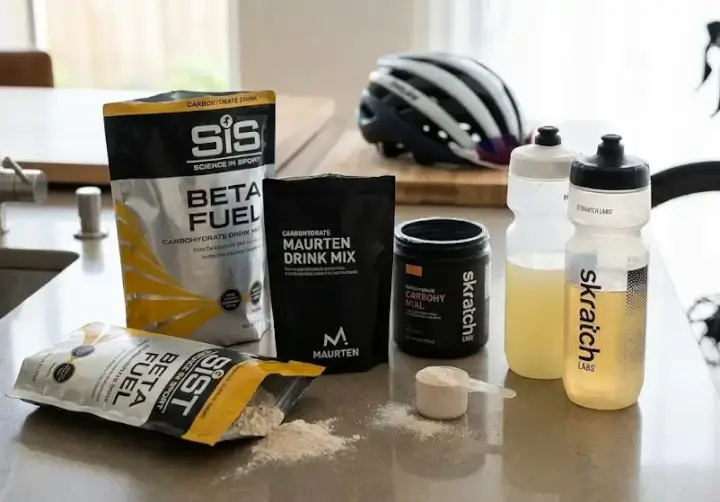
Fuel smarter before you ride with a simple framework for what to eat, how much, and when so you start strong, avoid heavy legs, and keep energy steady from the first pedal stroke to the final mile.
Cycling might look like a graceful loop of motion, but beneath that smooth cadence your body is running a quiet energy operation.
Every pedal stroke is paid for in fuel, and if your reserves dip too low, performance drops without mercy. Legs feel heavier, focus slips, and even flat roads start to feel like resistance training.
This is why what you eat before a ride matters. Not as a rigid system full of rules, but as a practical framework that supports your body before it does real work.
Understanding the Basics of Cycling Nutrition
There is a lot of conflicting advice around cycling nutrition.
Some people swear by large pasta dinners, others rely on oatmeal, while some barely eat at all before heading out. Energy gels promise quick results, and trends come and go like seasons.
The reality is much simpler. There is no universal formula that works perfectly for everyone, but there are reliable principles that consistently lead to better performance.
At the heart of it, your pre-ride nutrition depends on three key factors: what you eat, how much you eat, and when you eat. These three elements shape how your body produces and uses energy on the bike.
Your body draws energy from carbohydrates, fats, and protein, but each of these fuels behaves differently. Carbohydrates are your primary source of quick energy.
They are what your body turns to when you need power, speed, or intensity. Simple carbohydrates provide fast energy but fade quickly, while complex carbohydrates release energy more steadily over time.
Fats and proteins act as slower-burning fuels. They take longer to digest and are better suited for longer, lower-intensity efforts where your body needs sustained energy rather than short bursts.
This is why your food choices should reflect the type of ride you are planning. A shorter or more intense ride benefits from a stronger focus on carbohydrates, while longer rides can handle a more balanced intake that includes fats and proteins.
A common mistake is assuming that eating more automatically leads to better performance. While carbohydrate-rich meals can support endurance, overeating often creates more problems than benefits.
A heavy meal can leave you feeling sluggish, as your body diverts energy toward digestion instead of movement. The goal is to feel fueled, not overloaded.
Another important factor is fiber.
While fiber is essential for general health, it can become problematic before a ride.
High-fiber foods slow digestion and can increase discomfort during physical activity. On the day of an important ride, it is often better to reduce fiber intake and choose foods that are easier to digest, allowing your body to focus on performance rather than processing.
How Much to Eat
There is no exact portion size that works for everyone
Your needs depend on your body, your metabolism, and the intensity and duration of your ride.
However, one principle tends to work well across the board: it is better to eat smaller amounts more frequently rather than relying on one large meal right before riding.
Large meals close to your ride can feel heavy and uncomfortable.
They can also interfere with performance, as your body prioritizes digestion.
A more effective approach is to build your energy gradually. Eat a proper meal earlier, then add smaller snacks as you get closer to your ride. This helps maintain steady energy levels without overwhelming your system.
This gradual approach also reduces the risk of sudden hunger or energy dips once you begin riding. Instead of reacting to hunger, you are preventing it.
When to Eat Before Cycling
Timing is one of the most important aspects of pre-ride nutrition. Even the right foods in the right amounts can feel wrong if they are eaten at the wrong time.
A practical guideline is to finish your main meal about two hours before your ride. This gives your body enough time to digest and convert that food into usable energy.
In the period leading up to your ride, lighter snacks can help maintain energy levels.
These should be easy to digest and not too heavy. Eating something small within 30 to 45 minutes before your ride can help you avoid starting on an empty tank, but the goal is to support your energy, not to feel full.
Morning rides can make timing more challenging. If you do not have enough time to eat a full meal and wait for digestion, the meal from the night before becomes more important.
A balanced dinner can help ensure your body has sufficient stored energy. In the morning, keeping food light and simple is often the best approach, with additional snacks carried for the ride if needed.
Adjusting Nutrition to Your Ride
The length and intensity of your ride should always influence your approach. For shorter rides, especially those under ninety minutes, a well-timed meal beforehand is often enough.
For longer rides, your body will eventually need more fuel, regardless of what you ate before starting. In these cases, bringing food with you becomes essential.
It is important to understand that you cannot “pre-eat” for long efforts.
Your body has limits on how much energy it can store and use at once. Once those stores begin to run low, performance will drop, which is why longer rides require both pre-ride preparation and ongoing fueling.
Learning What Works for You
Perhaps the most important part of cycling nutrition is that it is highly individual.
What works perfectly for one person may not work for another. Even for the same rider, needs can change depending on sleep, stress, and overall condition.
This is why practice matters. Training rides are not just about building fitness; they are also an opportunity to test your nutrition strategy. Over time, you begin to notice patterns.
You learn which foods feel right, how long your body needs to digest, and how much you can eat without discomfort.
This process of trial and adjustment is what leads to consistency.
Instead of guessing, you develop a system that works specifically for you.