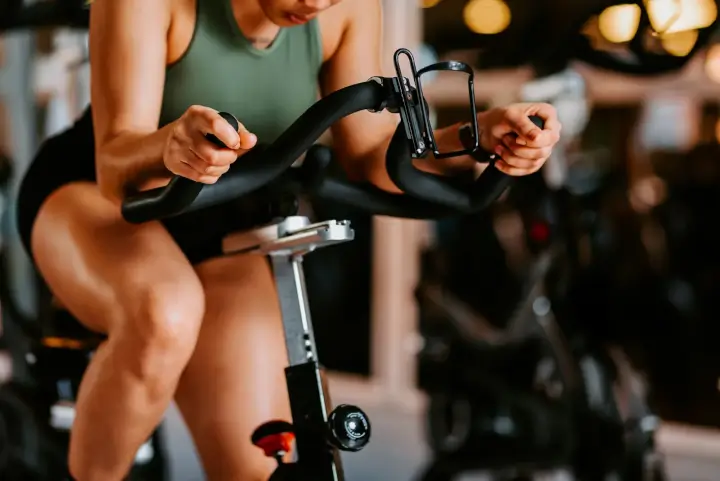
Discover 13 powerful benefits of indoor cycling from precision training to all-weather rides and learn why even the pros are turning to smart trainers for peak performance.
If you’ve spent any time watching cycling videos on YouTube, chances are you’ve seen ads for Zwift, TrainerRoad, or Sufferfest.
Zwift may be known for turning fitness into fun, but there’s a lot more behind the indoor cycling hype than meets the eye.
Whether you’re an outdoor cyclist or a fitness enthusiast looking for an efficient way to train, riding indoors might be the game changer you didn’t know you needed.
Let’s explore why indoor cycling has become a staple for pros and amateurs alike, and how it can take your performance to the next level.
What Is Indoor Cycling?
Indoor cycling involves pedaling a stationary bike or setting up your road bike on a turbo trainer.
These setups are designed to mimic the feeling of riding outdoors without the wind, traffic, or unpredictable weather.
It’s a high-intensity, low-impact workout that suits all fitness levels.
Whether you want to improve your endurance, strengthen your legs, or burn serious calories, indoor cycling delivers results while being gentle on your joints.
What Kind of Exercise Is Cycling?
Cycling is an aerobic activity that boosts cardiovascular health, builds muscular endurance, and enhances overall strength.
Because it’s easy on the joints, it’s an excellent choice for anyone from beginners to elite athletes.
Whether you’re spinning indoors or cruising outdoors, cycling allows you to tailor the effort to your goals and fitness level.
It’s not just great for your body it also helps relieve stress, sharpen mental focus, and injects some fun into your workouts.
Top Benefits of Indoor Cycling
1. Consistency Without Distractions
Outdoor training is often unpredictable traffic, bad weather, or uneven roads can interrupt your intervals or sprints.
Indoors, none of that matters. You can hit every planned effort with precision, free from red lights or reckless drivers.
2. Precision-Controlled Workouts
Smart trainers and apps like Zwift or TrainerRoad let you program your sessions down to the watt.
ERG mode adjusts resistance automatically so you can focus on effort, not terrain. Every VO2 max interval, tempo ride, or recovery spin is perfectly executed.
3. Ride in Any Weather
image via saris.com
Rain, snow, wind, or heat none of it stops you indoors. Your environment is always perfect. Add a fan for comfort, or embrace the sweat cave if you prefer to simulate tougher conditions.
4. Train While Watching the Kids
Can’t leave the house? No problem. With indoor cycling, you can keep an eye on your kids and still get your ride done.
There’s no need for a babysitter or missed workouts just park the trainer nearby and pedal away.
5. Keep Training Through Injury
If an injury keeps you off outdoor roads, indoor cycling might still be an option.
Many pros, like Matt Hayman who famously won Paris-Roubaix after training indoors with a broken arm prove that recovery doesn’t mean losing form.
6. Combine Training with Netflix
Need to catch up on your favorite show? Hop on the trainer and stream while spinning.
Easy endurance rides pair perfectly with binge-worthy episodes.
7. Ride Anytime
Forget daylight hours and traffic schedules. You can train whenever motivation strikes early morning, late at night, or during a lunch break.
The freedom to ride 24/7 is one of the best perks of indoor cycling.
8. No Need for Full Gear
Skip the helmet and gloves. Indoors, all you really need is a quality pair of bibs or padded shorts.
Minimal setup, maximum comfort.
9. Snack Like a King
Forget gels and chews on the trainer, your kitchen is your feed zone.
You can refuel with whatever you want: toast, fruit, soup, or even a baked potato. Hydration and snacks are just an arm’s reach away.
10. Connect and Compete Socially
Virtual platforms let you ride alongside athletes from around the world.
Whether it’s a group workout or a virtual race, the online cycling community adds motivation and camaraderie that keeps you pedaling harder.
11. Race Without the Risk
Indoor racing removes the hazards of outdoor competition. No crashes, no dropped chains, no potholes just pure effort. You can push your limits safely and confidently.
12. You’ll Never Get Lost
Outdoor routes can confuse even the best navigators. Indoors, you always know exactly where you are on your trainer.
It’s the perfect solution for cyclists who prefer structure (or lack a good sense of direction).
13. All the Gains of Outdoor Cycling
Want to lose weight, build endurance, or relieve stress?
Indoor cycling delivers the same benefits as road cycling often more efficiently.
It’s how pros fine-tune their fitness, and now it’s easier than ever for you to do the same.
Conclusion
Indoor cycling isn’t just a backup for bad weather, it’s a powerful, convenient way to train smarter and more consistently.
From structured workouts to all-weather rides, it helps you build endurance, strength, and confidence while staying safe and motivated.
No matter your level or schedule, indoor cycling lets you achieve results that rival outdoor riding.