Discover 10 common cycling mistakes that quietly ruin comfort, safety, and performance from skipping helmets and hand signals to bad saddle height, harsh braking, and forgetting water plus simple fixes you can use today.
Cycling looks simple. You get on the bike and start pedaling.
But anyone who rides regularly knows it is not quite that easy. Small habits make a huge difference in how safe, efficient, and enjoyable your rides feel. Many cyclists develop bad habits without realizing it, and once those habits settle in, they are surprisingly hard to change.
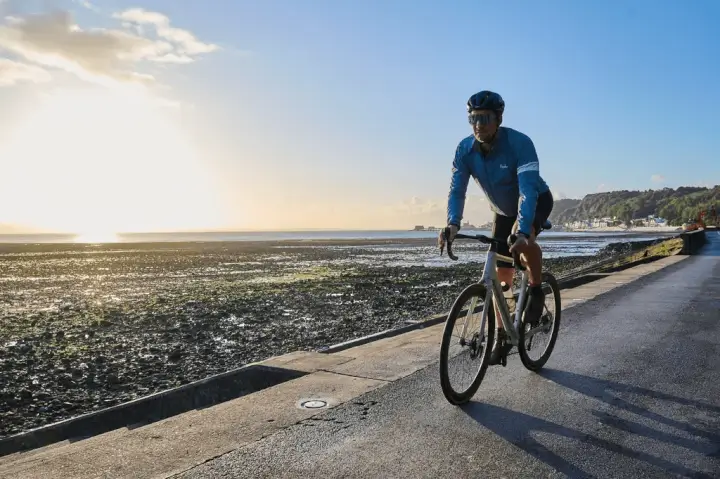
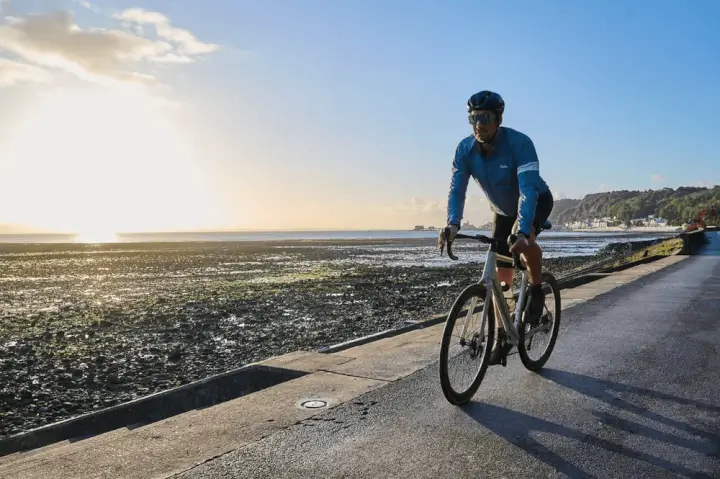
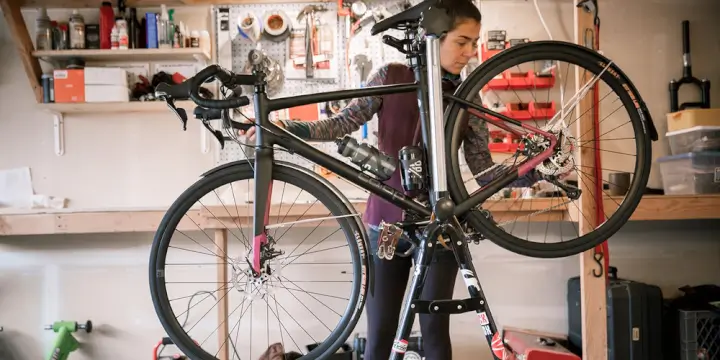
(Credit: Future / Andy Jones)
The good news is that most cycling mistakes are easy to fix once you notice them. Some happen while riding, others start before you even leave the house. Becoming aware of them early can save you discomfort, wasted energy, and sometimes even injuries.
Here are 10 of the most common cycling mistakes and what you can do to avoid them.
1. Riding Without a Helmet
This is one of the simplest mistakes and also one of the most dangerous.
In many places helmets are not legally required, which leads some cyclists to skip them entirely. But legality does not equal safety. A bicycle accident may happen at relatively low speeds, yet head injuries remain one of the most serious risks in cycling.
A helmet significantly reduces that risk.
The solution is obvious: always wear one. Even more importantly, make sure the helmet actually fits your head properly. A poorly fitted helmet offers far less protection. Look for proper sizing, good ventilation, and recognized safety standards.
2. Not Using Hand Signals
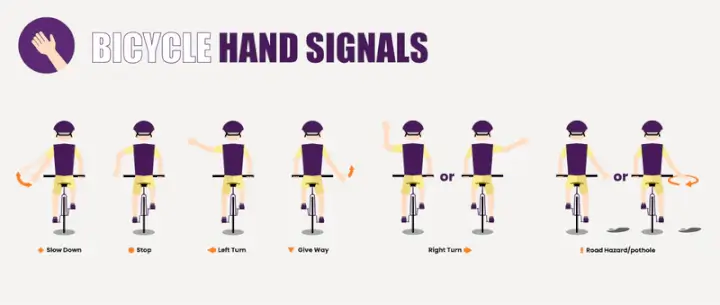
Cars use indicators and brake lights to signal their intentions. Cyclists do not have those tools, which makes hand signals essential. Without them, other road users have no idea whether you are about to turn, slow down, or stop.
Basic cycling hand signals
That uncertainty increases the risk of accidents.
Learn the basic signals for turning, slowing, and stopping. They are simple and widely recognized. If you ride in groups, signaling obstacles like potholes or debris becomes even more important because riders behind you cannot always see what is coming.
Clear signals make cycling safer for everyone around you.
3. Riding With the Wrong Saddle Height
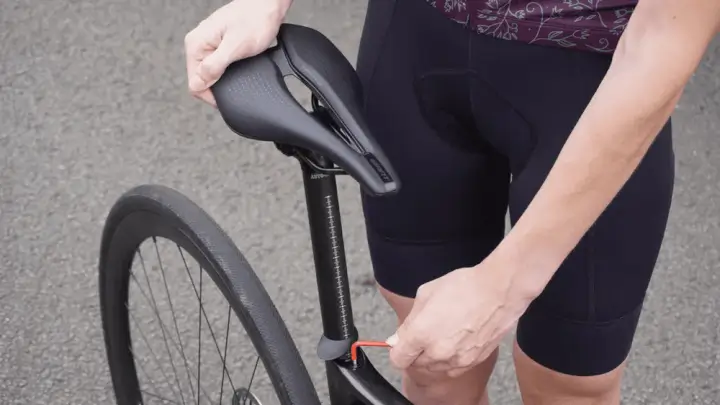
(Credit: Anna Marie Hughes)
If the saddle is too low, your pedaling becomes inefficient and your knees take extra strain. If it is too high, you lose stability and comfort. Many riders simply adapt to the wrong position without realizing how much energy they are wasting.
A good starting rule is this: when your heel rests on the pedal at its lowest point, your leg should be straight. When you pedal normally using the front of your foot, your leg will then have a slight bend, which is ideal for efficient cycling.
Correct saddle height improves comfort and performance immediately.
4. Skipping a Pre-Ride Bike Check
Many cyclists jump on their bikes and start riding without checking anything.
Most of the time that works fine. But when something is wrong, you only discover it halfway through the ride. A soft tire, a dry chain, or weak brakes can quickly turn a pleasant ride into frustration.
A quick check takes less than a minute. A 2-minute "ABC" pre-ride check ensures your bike is safe:
- Air (tires firm, no cracks), - Brakes (firm levers, pads not worn), and - Chain (lubricated, no rust).
If something feels off, fix it before leaving.
This small habit keeps your bike running smoothly and prevents unnecessary mechanical problems later.
If you don’t have any idea about how to fix your bike, this course could be a game-changer for you.
5. Braking Too Hard
Grabbing the brakes abruptly can cause skidding or even throw your body forward over the handlebars. It can also create dangerous situations for riders behind you if you stop unexpectedly.
Smooth braking is the goal.
Apply the brakes gradually whenever possible and learn how your front and rear brakes behave. Shifting your weight slightly backward when braking helps maintain balance and control.
Good braking technique makes cycling both safer and more comfortable.
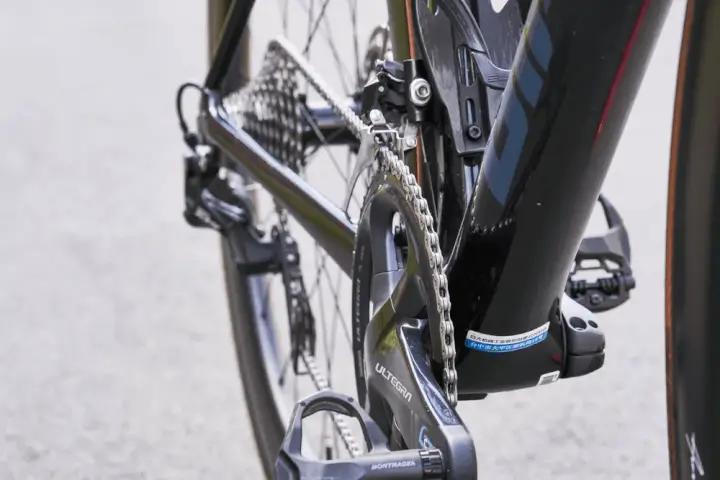
6. Cross-Chaining
Cross-chaining happens when the chain runs at an extreme angle between the front chainring and the rear cog.
This often occurs when riders combine the largest chainring with the largest cog or the smallest chainring with the smallest cog.
The bike still moves, but the drivetrain experiences extra stress and produces more noise.
Over time this can increase wear on your chain and gears.
The solution is simple awareness. Aim for smoother gear combinations and avoid extreme angles whenever possible. If your chain suddenly sounds strained or rough, it is usually a sign that your gear selection needs adjusting.
7. Eating Too Much Before Cycling
Cycling requires energy, but a large meal right before riding often backfires.
After heavy meals your body focuses on digestion. When you start exercising immediately afterward, that process competes with physical effort. The result can be nausea, sluggishness, or dizziness.
For more intense rides, avoid heavy food for about two hours beforehand. A small snack provides enough energy without making your body work overtime.
8. Ignoring the Bathroom Before Riding
This may sound trivial, but it can ruin a ride quickly.
Sometimes the urge to use the bathroom is mild, so riders ignore it and head out anyway. Later it becomes impossible to concentrate on anything except finding the nearest restroom.
The easiest solution is simply to take a minute before leaving.
9. Skipping Warm-Up
Many riders treat the first minutes of cycling as their warm-up.
While that works to some extent, starting too abruptly can leave muscles tight and stiff. This makes the ride feel harder and increases the likelihood of soreness afterward.
A short warm-up before riding helps your body prepare.
Spend five to ten minutes doing light stretching or gentle movement. Then start cycling at an easy pace and gradually increase intensity.
10. Forgetting Water and Snacks
While eating too much before riding is not ideal, riding without food or water is also a mistake.
During longer rides your body loses fluids and burns energy quickly. Without hydration or fuel, fatigue and dehydration arrive sooner than expected.
Bringing a water bottle and a small snack solves the problem easily.
For longer rides, these essentials can make the difference between finishing comfortably and struggling through the final kilometers.