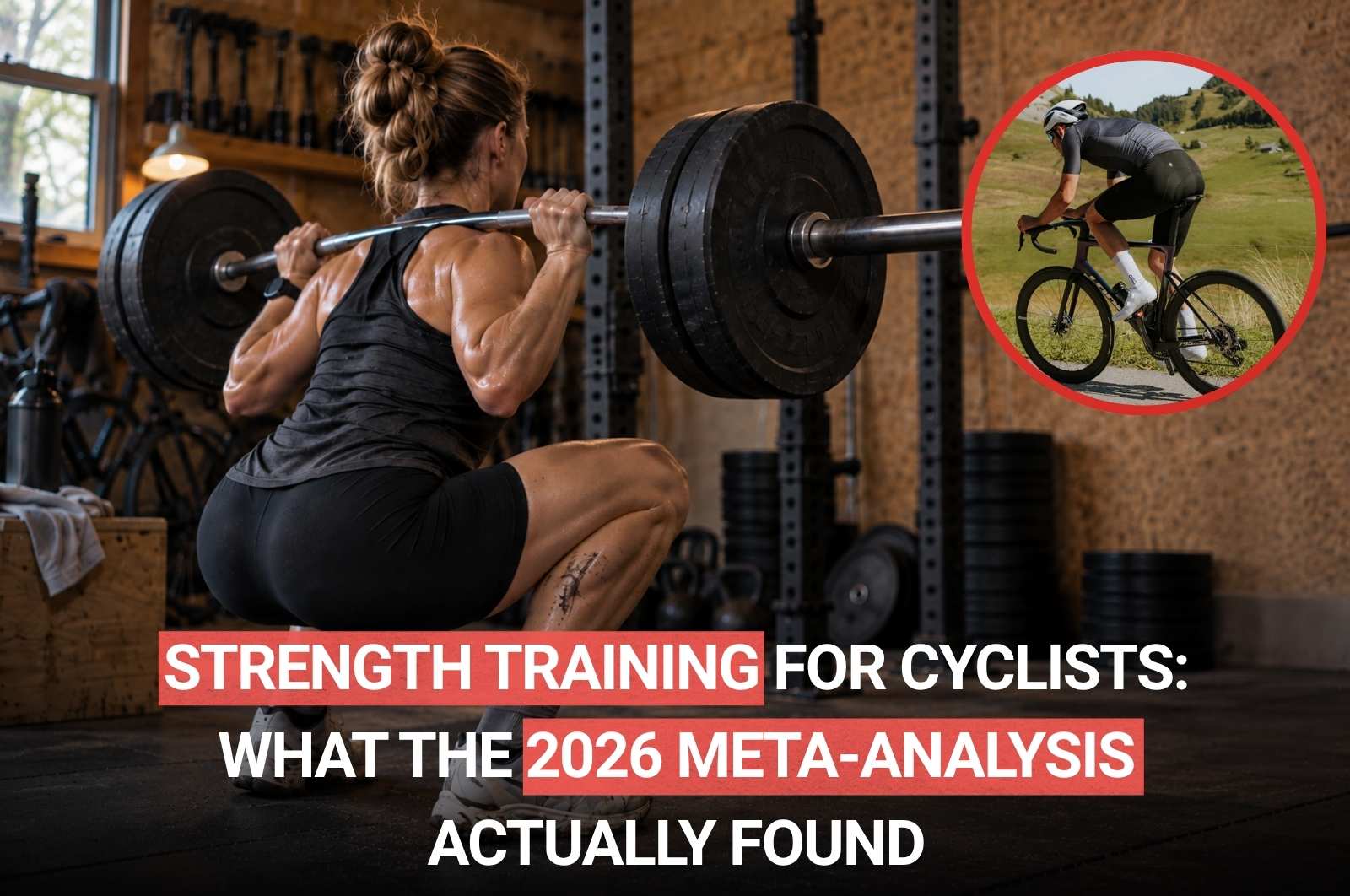
Strength Training For Cyclists: What The 2026 Meta-Analysis Actually Found
A January 2026 meta-analysis of 17 studies on 262 cyclists found heavy strength training improves cycling performance and efficiency but not VO2 max.
Training for a century ride or multi-day tour? Here’s how to build long-distance cycling endurance without burning out simple tips, smart plans, and real results.

If you're prepping for a century ride, a gran fondo, or a multi-day cycling tour, there's one big question on your mind: How can I ride farther without running myself into the ground?
You're in the right place.
Here’s your guide to building endurance, riding smarter, and getting more out of every pedal stroke.
What drives you to go long?
Maybe it’s the quiet roads, the feeling of accomplishment, or the thrill of pushing your limits.
Whatever it is, that inner motivation is your fuel. Remind yourself of it often it’s what will keep you coming back to the saddle, even on tough days.
Before you ramp things up, take stock of where you are now.
Let’s say you're riding twice a week for 30 minutes. Stick with that rhythm for a few weeks.
Then slowly increase ride time by 10–15 minutes or add a third weekly ride. This gradual build is how endurance is formed consistently, and without burnout.
Training for a century ride? A multi-day tour?
Set a clear goal, then break it down into smaller checkpoints. Each ride is a step toward that finish line, and your plan should reflect both the big picture and the small wins along the way.
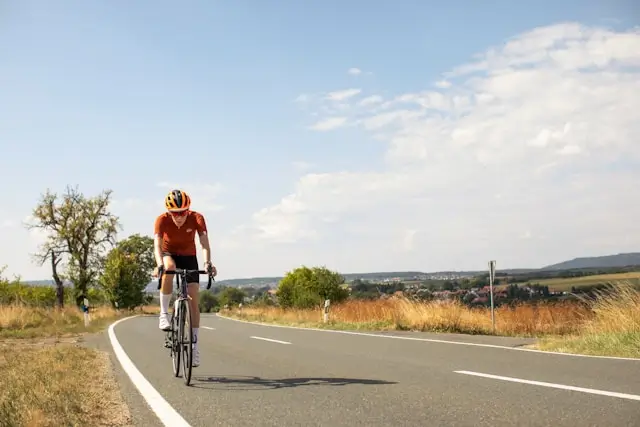
The cornerstone of any endurance plan is one long ride a week. This ride should be at a steady, moderate pace no sprints or all-out efforts here.
Start with 60–90 minutes. Each week, aim to increase the time by around 10–15%. Over time, these rides will stretch your stamina and get your body used to time in the saddle.
Add one or two shorter rides during the week, around 30–45 minutes each, at a chill pace.
These sessions help maintain your aerobic base and keep your legs moving without draining your energy.
Want to get better without hitting a wall? This is the secret: progressive overload.
Add a little more time, distance, or challenge each week just enough to nudge your body to adapt and get stronger.
Riding 30 minutes now? Try 35 next week. Those small gains stack up fast.
For most of your rides, keep the intensity low. You should be able to chat without gasping. If you're breathless, ease up.
Forget heart rate monitors for now. Go by feel, stay comfortable, and focus on enjoying the ride. That’s how you build real, lasting endurance.
Your rest days are when the magic happens. That’s when your body repairs, rebuilds, and gets stronger.
Learning when to push and when to pull back is the balance every endurance athlete needs to master.
Once your aerobic base is in place, it's time to sprinkle in some speed.
That means intervals short bursts of hard effort followed by rest. A simple one to start: Ride hard for 30 seconds, then recover for 1–2 minutes. Repeat.
Adding just one or two of these sessions a week can improve your power, increase speed, and help you recover faster between long stretches on the bike.
Recovery starts with what you eat.
Make sure you’re eating balanced meals that include carbs for energy, protein for muscle repair, and healthy fats for long-term fuel.
Post-ride, grab something quick and nutritious like a recovery shake or a smoothie with fruit, oats, and nut butter.
Long-distance cycling isn’t just about hitting numbers. It’s about the experience.
The peaceful roads, new scenery, and post-ride glow are just as important as the fitness gains. So keep it simple and fun.
Forget perfect plans or fancy gear for now. Focus on consistency, joy, and getting out there. The fitness will come just keep pedaling.
Perfect for the new riders!
No spam. Cancel anytime.