Even larger riders can dominate the peloton with smart training, efficient riding, and strategic climbs. Discover proven ways to ride stronger, faster, and smarter.
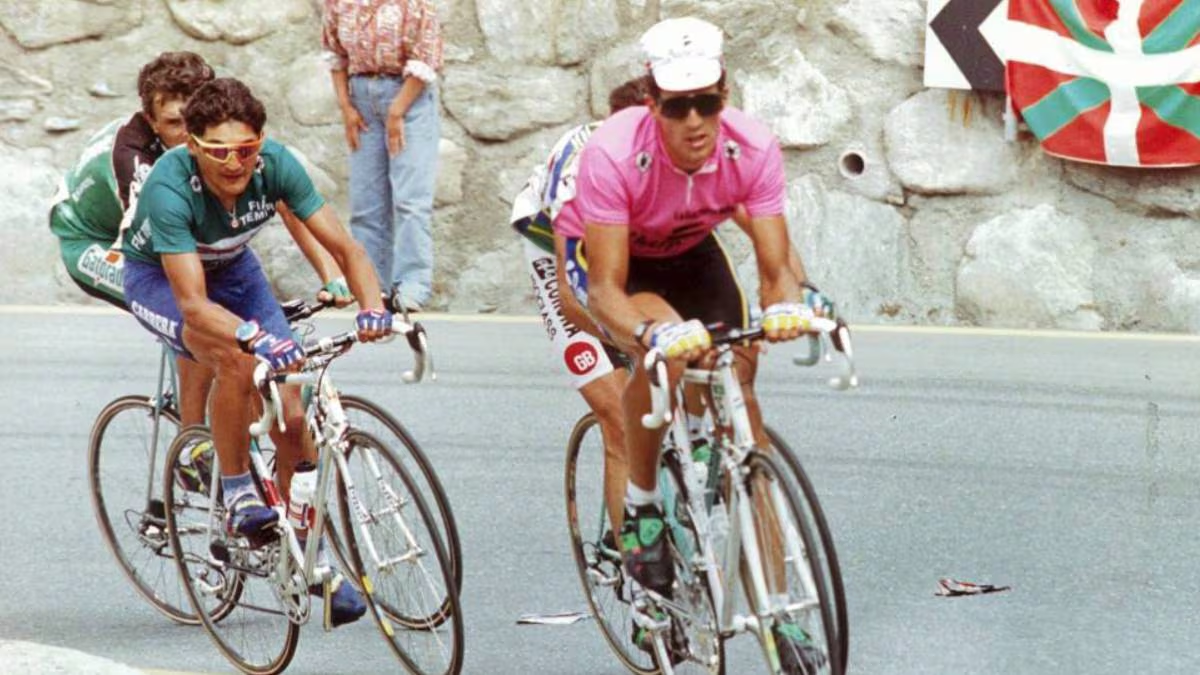
Even as a larger rider in the peloton, Miguel Induráin known as “Big Mig” proved that size isn’t a limitation.
He captured the Tour de France five years in a row from 1991 to 1995, a feat no one else has managed consecutively, and also won the Giro d’Italia twice, joining a rare group who achieved the Giro-Tour double in the same season.
At 6 ft. 2 in. and 80 kg (176 lb), Induráin showed that bigger riders can perform at the highest level.
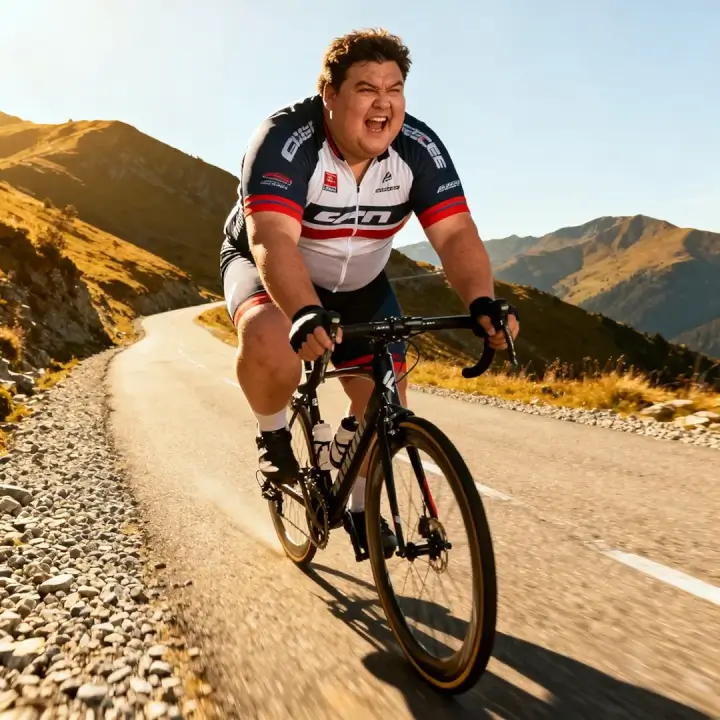
If you’re a larger rider, you can ride smarter and stronger by learning from champions like him.
Jesús Aguilera®
Focus on Marginal Gains
Sir Dave Brailsford revolutionized British Cycling with his “aggregation of marginal gains” approach, making small improvements across multiple areas that together produced remarkable results.
This strategy helped riders like Bradley Wiggins and Chris Froome win Tour de France titles and brought Britain numerous Olympic golds.
For everyday cyclists, consistently making minor enhancements in training, technique, and equipment can lead to noticeable performance improvements over time.
Train Smarter, Not Harder
Rather than simply increasing mileage, prioritize targeted workouts that address specific physiological goals.
Understanding your current training load and adding structured, purposeful rides is more effective than endless hours on the bike.
Different types of rides serve different purposes, and smart intensity often beats sheer volume.
Boost Efficiency
Efficiency means riding faster while using the same energy. A proper bike fit can significantly improve your power output.
Engaging your glutes rather than relying heavily on calves and hamstrings makes your pedal stroke more effective.
Strengthening your core stabilizes your body, allowing your legs to transfer power more efficiently. Short, all-out sprints with full recovery help coordinate your muscle fibers so they fire in unison when it counts most.
Increase Power
Power is influenced by several factors.
Shedding extra weight makes climbs and accelerations easier. VO2 max training teaches your body to deliver more oxygen to muscles, enhancing performance.
Sweet Spot workouts strike the balance between intensity and recovery, helping muscles grow stronger without excessive fatigue.
Combining these approaches allows larger riders to generate more sustained power than expected.
Master Climbing
Climbs are an opportunity for bigger riders to excel.
Weekly hill sessions or repeats condition your body for sustained effort. Staying seated, maintaining a steady cadence, and keeping your upper body still conserves energy.
Tackle climbs strategically by shifting gears gradually and pacing yourself, accelerating near the top without spiking your heart rate too early.
With practice, these techniques help larger riders climb efficiently and even outperform lighter competitors.
By applying these strategies marginal gains, intelligent training, efficiency, power, and climbing technique larger riders can become faster, stronger, and more effective on the bike than many in the peloton.