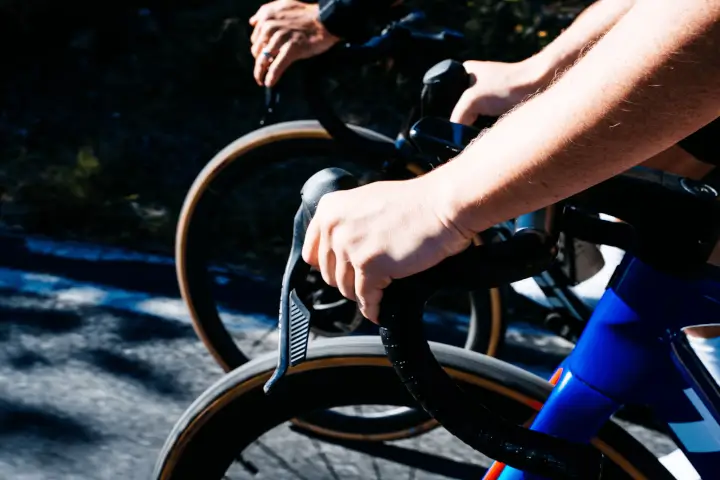
Hand numbness on the bike usually isn’t a mystery injury it’s nerve compression from too much pressure, awkward wrist angles, tight grip, and constant vibration.
At some point, almost every cyclist experiences it. You’re riding comfortably, your legs are doing their job, your breathing is steady, and then your hands start to tingle. A few minutes later, they feel numb, weak, or disconnected. It can feel alarming, but in most cases, it’s simply a mechanical issue.
Hand numbness while cycling is usually caused by pressure on the nerves in your hands and wrists. When you rest a significant portion of your weight on the handlebars, that pressure can compress key nerves and disrupt how they function.
The ulnar nerve, which runs along the pinky side of your hand, and the median nerve, which passes through the center of your wrist, are the most commonly affected. When either becomes irritated, you may feel tingling, numbness, or even reduced grip strength.
This issue rarely comes from a single cause. More often, it’s the result of multiple small factors working together. It’s your riding position, how tightly you grip the bars, road vibration, and even how your bike is set up. That’s why solving it requires a combination of adjustments rather than one quick fix.
Reduce Pressure by Improving Your Position
One of the main reasons hands go numb is simple: too much weight is being placed on them. If your upper body collapses forward while riding, your hands end up acting as supports instead of just guiding the bike.
Ideally, your weight should be distributed between your saddle, your core, and your hands. Your arms should remain relatively light, allowing your hands to steer rather than carry your body. Engaging your core slightly and maintaining a more stable posture can reduce pressure on your wrists significantly. Even small posture corrections can make a noticeable difference over longer rides.
Keep Your Wrists in a Neutral Position
Wrist angle plays a bigger role than most cyclists expect. When your wrists are bent sharply upward or downward, it creates extra strain on the nerves that pass through them. Over time, that strain builds into numbness.
A neutral wrist position (where your hand stays aligned with your forearm) helps reduce compression and allows proper blood flow and nerve function. If your current handlebar setup forces your wrists into an awkward angle, adjusting your hand position or cockpit setup can immediately improve comfort.
Relax Your Grip on the Handlebars
Many riders unknowingly grip their handlebars too tightly, especially on rough terrain or during climbs. This constant tension increases pressure in the hands and reduces circulation.
A more relaxed grip can ease that pressure. You still need control, but not force. Periodically checking in with yourself during a ride and consciously loosening your hands can prevent tension from building up. Over time, this small habit can significantly reduce numbness.
Change Hand Positions Regularly
Holding the same position for too long concentrates pressure on specific areas of your palms. Eventually, that pressure leads to irritation and reduced sensation.
If your bike allows it, changing hand positions throughout your ride helps redistribute the load. On a road bike, alternating between the tops, hoods, and drops can relieve pressure points and improve circulation. Even subtle shifts can prevent numbness from developing.
Improve Comfort Through Equipment
Your contact points with the bike matter. Small upgrades can have a big impact on how your hands feel during and after a ride.
Padded cycling gloves help absorb vibration and distribute pressure more evenly across your hands. They also improve grip, especially in wet conditions.
Similarly, handlebar tape or grips play a crucial role. Worn-out or thin tape provides little cushioning, meaning your hands absorb more shock from the road. Replacing it with thicker or more shock-absorbing material can noticeably improve comfort.
Reduce Road Vibration
Road vibration is one of the less obvious contributors to hand numbness. Every bump travels through your bike and into your hands, gradually irritating the nerves.
One effective way to reduce this is by using wider tires or adjusting your tire pressure. Wider tires absorb more shock, making the ride smoother and less demanding on your hands. Lowering tire pressure slightly can also help, depending on your setup and riding conditions.
Get Your Bike Fit Right
A poorly fitted bike can shift too much weight onto your hands without you realizing it. Over time, that imbalance leads to discomfort and numbness.
Saddle position is especially important. If the nose of the saddle tilts downward, it can cause you to slide forward, increasing pressure on your hands and wrists. Handlebar height, stem length, and brake hood position also influence how your weight is distributed.
Even small adjustments can change how your body interacts with the bike. A proper bike fit ensures that your weight is balanced and that no single area (especially your hands) is overloaded.
Use Your Body as Suspension
Your posture while riding affects how much impact your hands absorb. Locked, straight arms create a rigid connection between your body and the bike, allowing every bump to travel directly into your wrists.
Keeping a slight bend in your elbows allows your arms to act as natural shock absorbers. This reduces the force reaching your hands and helps protect your nerves over time. A more relaxed upper body not only improves comfort but also gives you better control of the bike.
Give Your Hands Regular Breaks
Even with perfect positioning, your hands need occasional relief. Staying in one position for too long can restrict blood flow and increase pressure on the nerves.
Standing up on the pedals periodically helps shift weight away from your hands and restore circulation. These short breaks are especially useful during longer rides, where small adjustments can prevent larger problems from developing.
When to Take It Seriously
In most cases, hand numbness while cycling is temporary and manageable. However, if the symptoms persist even when you’re not riding, become more frequent, or are accompanied by pain or weakness, it’s important to seek medical advice.
Conditions such as carpal tunnel syndrome or other nerve-related issues can develop gradually. Addressing them early helps prevent long-term complications and ensures you can continue riding comfortably.