Learn the essential bike maintenance skills every cyclist needs from cleaning and lubing your chain to fixing flats, inflating tires, and replacing worn parts so you can ride with confidence and save money.
If you ride a bicycle regularly, sooner or later something will need attention. A flat tire, a noisy chain, slipping gears, worn brake pads. These things are part of cycling.
Learning a few basic repair and maintenance skills changes the entire experience of owning a bike. It saves money, reduces stress during rides, and gives you independence.
Instead of worrying about every strange sound or small problem, you know how to handle it. The good news is that most essential bike maintenance tasks are far simpler than they appear.
You do not need to become a professional mechanic. You only need to learn the fundamentals and practice them on your own bike.
Start With the Right Basic Tools
You can do a surprising amount of bike maintenance with only a small set of tools.
At the very minimum, a good cycling multitool will handle many common adjustments. These compact tools usually include hex keys, screwdrivers, and sometimes even a small chain tool. They are designed to be carried on rides and used for quick repairs on the road.
For work at home, it is helpful to have separate hex keys, a few screwdrivers, tire levers, a floor pump, and some cleaning supplies.
Chain lube, degreaser, and a few rags will take you a long way.
If you decide to do more maintenance over time, a dedicated bicycle repair toolkit can make learning easier because you always have the correct tool available.
You do not need a full workshop. Many cyclists start by fixing their bikes on the floor of their living room or kitchen.
Clean and Lubricate Your Chain
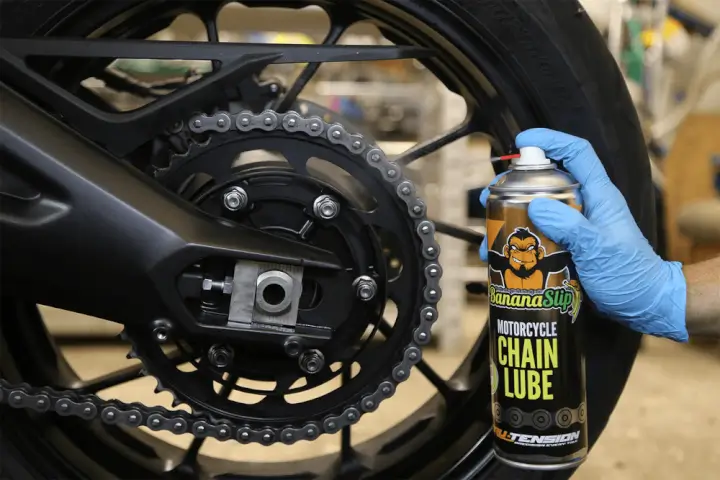
Chain maintenance is one of the simplest and most important habits you can develop. A clean and properly lubricated chain keeps the bike running smoothly and helps the drivetrain last much longer.
You do not need to perform a deep cleaning every time. In most cases, wiping the chain with a rag and applying fresh lubricant is enough. Rotate the pedals backward while applying lube so it spreads evenly along the chain. Afterward, wipe off the excess oil to prevent dirt from sticking.
Occasionally, especially after riding in rain, dust, or mud, it helps to clean the chain more thoroughly.
A degreaser and a brush or chain cleaning tool will remove the buildup of grime that accumulates over time. Once the chain is clean and dry, apply fresh lubricant again.
Keep Your Bike Reasonably Clean
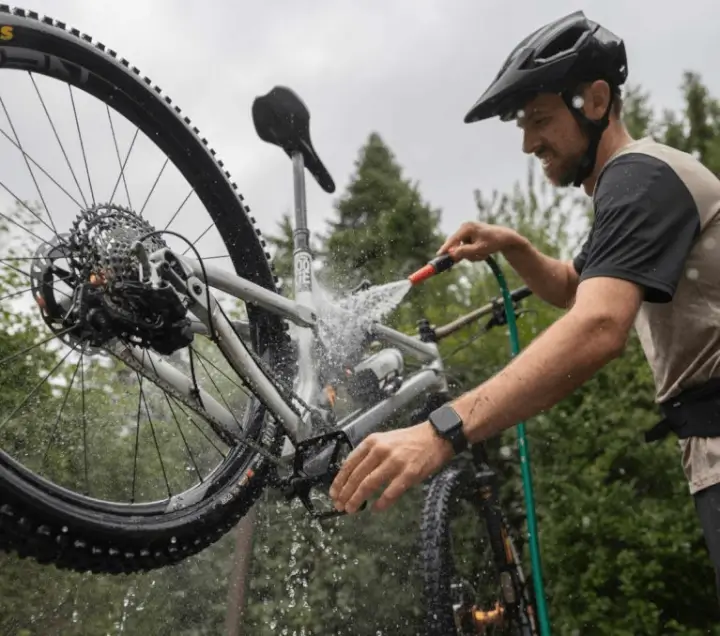
Bicycles do not need to be spotless, but occasional cleaning helps you spot problems early. Dirt and dust hide worn parts, loose bolts, and small cracks in the frame or components.
A bucket of water, mild cleaner, a sponge, and a brush are usually enough. Focus on the drivetrain, wheels, and frame. Avoid spraying water directly into bearings or sensitive areas like hubs and bottom brackets.
Cleaning also gives you the opportunity to inspect your bike. Many mechanical problems are easier to solve when you notice them early.
Learn to Inflate Your Tires Properly
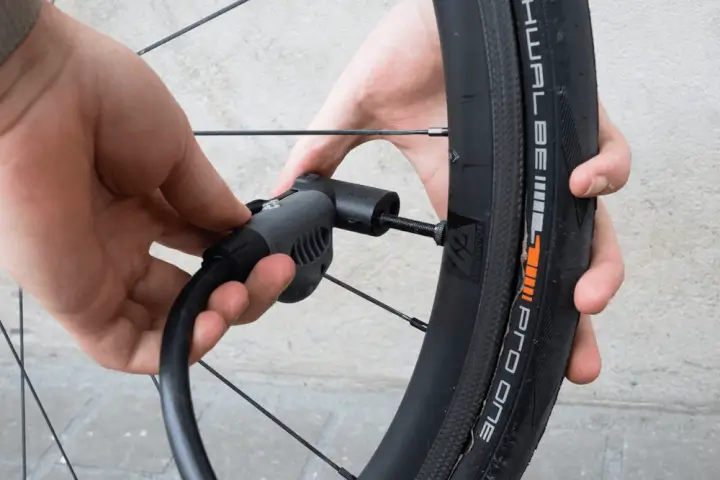
Proper tire pressure makes a big difference in comfort, efficiency, and safety. Tires slowly lose air over time, even if the bike is not being used. That is why checking tire pressure regularly is a good habit.
A portable pump is essential for rides.
At home, a floor pump makes inflation much easier and faster. Most tires list recommended pressure ranges on the sidewall. Staying within that range ensures the tire performs as intended.
If you ride on different surfaces, you may adjust pressure accordingly. Slightly lower pressure improves comfort and grip on rough terrain, while higher pressure reduces rolling resistance on smooth roads.
Removing and Reinstalling a Wheel
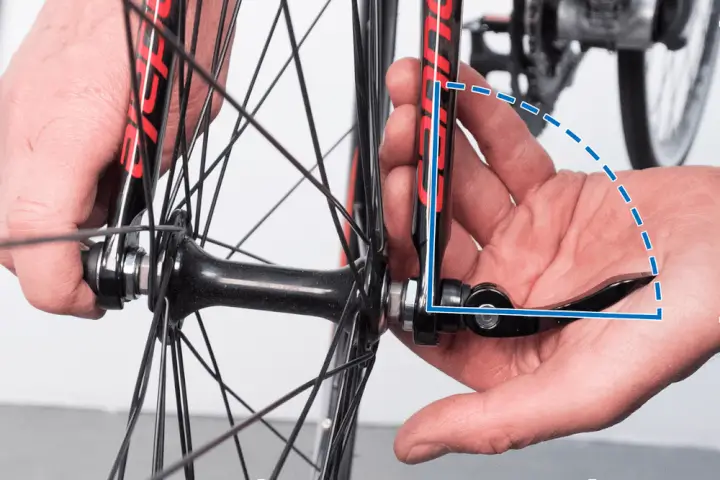
Knowing how to remove a wheel is essential for many basic repairs. It becomes necessary when fixing a flat tire, transporting your bike, or packing it for travel.
Front wheels are usually easy to remove. Rear wheels require slightly more attention because of the chain and derailleur. Once you understand how the chain interacts with the cassette, the process becomes straightforward.
The important thing is to reinstall the wheel correctly and ensure it sits straight in the frame. A poorly aligned wheel can affect braking and shifting.
Fixing a Flat Tire
Flat tires are the most common mechanical issue cyclists face. In most cases, the problem is a punctured inner tube rather than the tire itself.
To fix it, remove the wheel, use tire levers to lift one side of the tire off the rim, and pull out the damaged tube. Replace it with a spare tube or patch the hole if you prefer. Before installing a new tube, always check inside the tire for thorns, glass, or sharp debris that may have caused the puncture.
Once the new tube is installed, carefully reseat the tire on the rim and inflate it gradually, checking that the tire sits evenly all around the wheel.
After doing this repair once or twice, it becomes routine.
Patching Tubes at Home
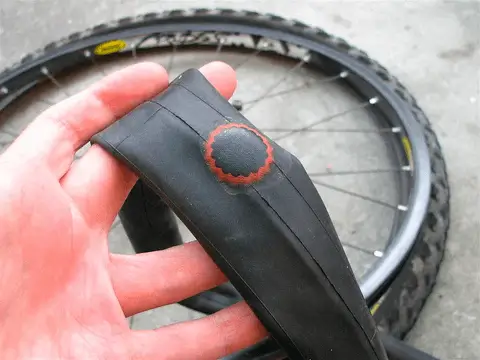
Even if you replace the tube during a ride, it is worth repairing the damaged one later. Patch kits are inexpensive and allow you to reuse tubes instead of throwing them away.
The usual method is to inflate the tube slightly and submerge it in water or listen for escaping air to locate the hole. Once found, dry the tube, roughen the surface slightly, and apply a patch according to the instructions.
Pre-glued patches make this process quick and convenient. Traditional vulcanizing patches work well too but require more preparation.
Replacing a Worn Chain
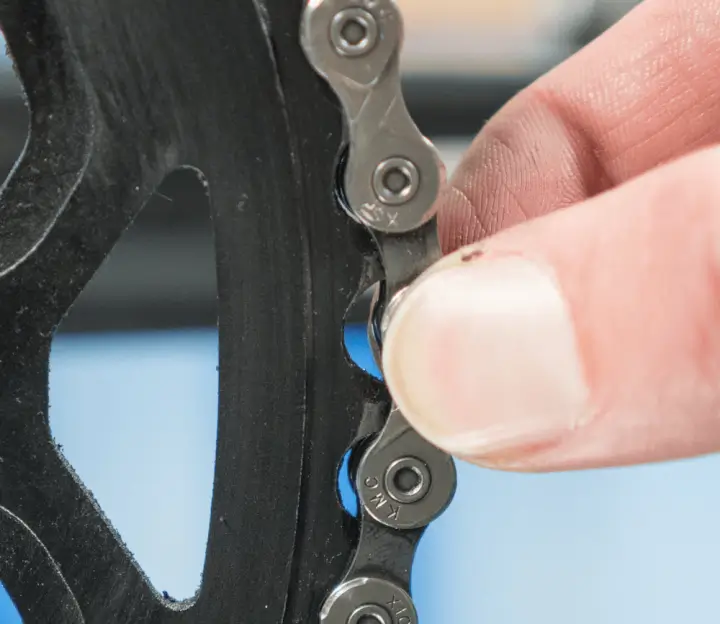
Chains stretch gradually as they wear. When a chain becomes too stretched, it accelerates wear on other drivetrain components like the cassette and chainrings.
A chain wear gauge is the easiest way to measure stretch. If the chain has reached the recommended limit, it is time to replace it. Installing a new chain is not difficult, especially if your chain uses a quick link system.
Replacing chains regularly is one of the simplest ways to extend the life of your drivetrain.
More Advanced Repairs Every Cyclist Should Eventually Learn
Once you feel comfortable with basic maintenance like fixing a flat tire or cleaning your chain, it is useful to learn a few more advanced repair skills.
These tasks are not needed every day, but they can save a ride when something breaks and help you maintain your bike more independently.
Repairing a Broken Chain
A snapped chain can happen under heavy load or during a poorly timed gear shift.
Carrying a chain tool and a spare quick link allows you to remove the damaged section and reconnect the chain on the road. The drivetrain may not shift perfectly afterward, but the repair usually allows you to continue riding instead of walking home.
Adjusting Derailleurs
If your bike struggles to shift smoothly or skips gears, the derailleur may need adjustment. Small changes to cable tension or limit screws can significantly improve shifting performance. The process requires patience because even tiny adjustments affect how the gears engage, but once you understand the basics, troubleshooting becomes much easier.
Replacing Brake Pads
Brake pads gradually wear down with use and need to be replaced to maintain reliable stopping power.
Installing new pads is straightforward, but proper alignment with the braking surface is important to avoid noise, uneven wear, and reduced braking efficiency.
Replacing Сables and Housing
Brake and shift cables eventually become worn or sticky.
Replacing both the inner cable and the housing restores smooth braking and shifting performance and helps keep the bike responsive and safe to ride.
Why These Skills Matter
Whether you ride across your city or across entire countries, basic maintenance knowledge makes cycling easier and more enjoyable. It saves money, reduces downtime, and allows you to handle problems calmly when they appear.
You do not need to learn everything at once. Start with the essentials. Clean your chain. Fix a flat tire. Adjust your gears. Replace worn parts.
Over time, your confidence grows. And at some point you will realize that getting your hands dirty fixing your own bike is not just practical. It is actually part of the joy of cycling.
Learn Bike Maintenance the Right Way
If you really want to learn how to maintain your bike properly, following random tutorials online is not always enough.
Having a structured guide can save you time, money, and a lot of frustration. That’s why we decided to test a complete DIY training program to see if it could really teach cyclists how to handle repairs and maintenance on their own.
In our full review of the course, we explain what you get, who it’s for, and whether it’s actually worth the price.


.webp)