From road speed to gravel exploring, trail riding, touring, bikepacking, BMX tricks, fat tire adventures, and track racing, there’s a style for everyone.
Cycling looks simple from the outside. You get on a bike and ride. But the moment you step even slightly deeper into the world, it opens up into a whole ecosystem of styles, cultures, and very specific preferences.
You might be wondering what actually separates a road bike from a gravel bike. Or why some cyclists wear full lycra while others look like they’re heading to a skate park. Or what BMX even stands for. The answers are not complicated, but they are surprisingly nuanced.
There are dozens of cycling disciplines out there. Some are niche, some are highly technical, and some are more like performance art than sport.
Road Cycling
Road cycling is the most recognizable form of cycling. It is built around speed, distance, and efficiency. Riders use lightweight bikes designed specifically for smooth surfaces and long stretches of pavement.
The key idea here is performance. Road cyclists are not just getting from point A to point B. They are optimizing every detail of the ride. The bike is light, the tires are thin, and the riding position is aerodynamic. Even clothing plays a role, which is why lycra is so common. It reduces drag and improves comfort over long distances.
This setup allows riders to cover significant distances quickly. It is ideal for long loops, mountain climbs, and multi-day rides on paved roads. However, it comes with a trade-off. Road bikes are not designed for rough terrain. Even small gravel sections can feel unstable.
Road cycling is also deeply connected to competition culture. Events like the Tour de France define the discipline and shape how riders train, track performance, and think about distance.
Mountain Biking
Mountain biking is the opposite of road cycling in many ways. Instead of smooth asphalt, it focuses on trails, forests, rocks, mud, and technical terrain.
At its core, it is off-road cycling. But within that, there are several sub-disciplines that shape how people ride.
Cross-country is the most accessible version. It is about exploring trails, climbing hills, and maintaining endurance.
Downhill is more extreme. Riders start at the top and navigate steep, technical descents at high speed. Enduro sits somewhere in between, combining climbing and descending but only timing specific sections.
Mountain bikes are built for control and durability. They have wide tires, flat handlebars, and suspension systems that absorb impact. Some bikes have suspension only in the front, while others have it both in the front and rear.
The experience is less about speed in a straight line and more about handling unpredictable terrain. It is physical, technical, and often messy. Mud, roots, and rocks are part of the environment, not obstacles to avoid.
Gravel Cycling
Gravel cycling sits between road cycling and mountain biking. It takes elements from both but removes the extremes.
The terrain is usually unpaved but not highly technical. Think gravel roads, forest paths, and mixed surfaces. You might switch between asphalt, dirt, and light trails within a single ride.
Gravel bikes look similar to road bikes but are more versatile. They have wider tires for stability and better grip, but they usually do not have suspension. The handlebars are typically dropped, which keeps the riding position efficient while still allowing control on uneven surfaces.
This discipline has grown quickly because it lowers the barrier to off-road riding. You do not need advanced technical skills, but you still get access to quieter, more remote routes.
It is less about precision and more about exploration without fully leaving the comfort zone of road cycling.
Cycle Touring
Cycle touring is built around travel rather than performance. The goal is not speed. The goal is distance over time and the experience of moving through the world on a bike.
Riders typically carry their belongings in panniers attached to racks. These setups are heavier but stable, making them ideal for long journeys across countries or even continents.
Touring bikes are designed for reliability. They have sturdy frames, wider tires than road bikes, and a wide range of gears to handle hills with extra weight.
The culture around cycle touring is very different from performance cycling. Clothing is practical rather than optimized. The focus is on sustainability, independence, and the journey itself.
There are no real competitions here. The “events” are personal. Crossing a country, completing a long-distance route, or riding around the world.
Bikepacking
Bikepacking looks similar to cycle touring at first glance, but the philosophy is different.
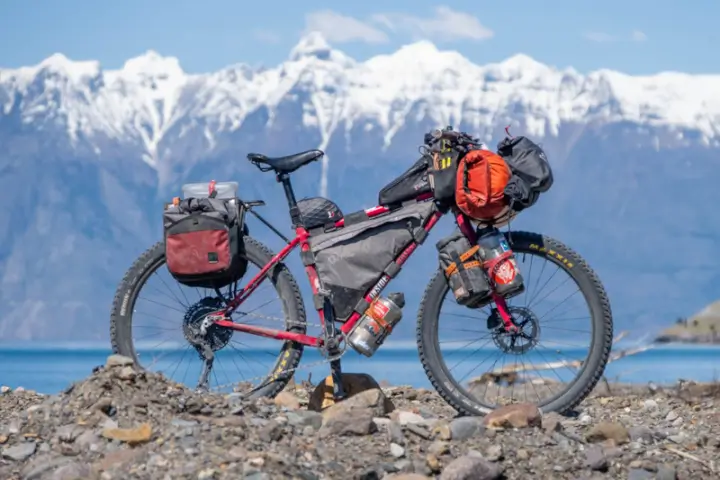
Instead of carrying heavy panniers, bikepackers use lightweight bags attached directly to the bike frame, handlebars, and seat post. The setup is compact and minimal.
The terrain also shifts. While cycle touring tends to stay on roads, bikepacking often goes off-road. Riders seek remote areas, trails, and natural landscapes. Camping is usually part of the experience.
The approach is more flexible and more self-sufficient. You carry only what you need, and you move through environments that are less structured.
Bikepacking blends endurance, exploration, and minimalism. It is less about covering distance efficiently and more about immersion.
BMX
BMX stands for bicycle motocross, but the discipline has evolved far beyond its origins.
There are two main directions. BMX racing is structured and competitive. Riders race on short dirt tracks with jumps and tight turns, often starting simultaneously from a gate.
BMX freestyle is more about creativity. Riders use urban environments, skate parks, and ramps to perform tricks. The bike becomes a tool for expression rather than transportation.
BMX bikes are smaller, with low seats and wide handlebars. They are built for control, balance, and quick movements.
The culture is also different. There is no single uniform or style. Especially in freestyle, individuality plays a central role.
Fat Biking
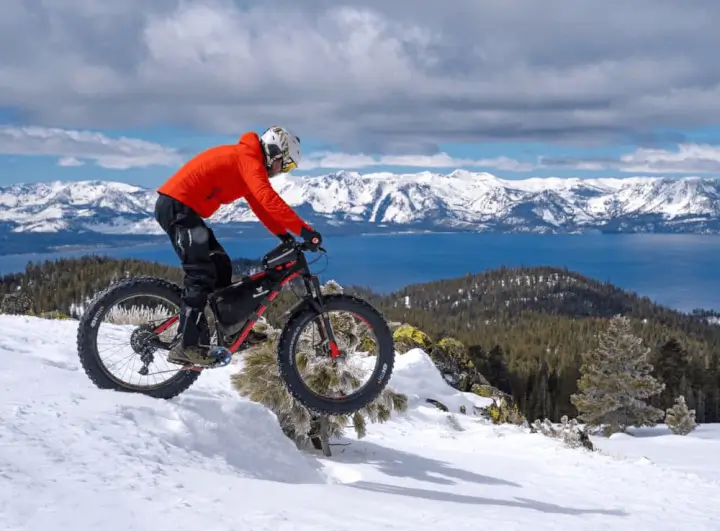
Fat biking is defined by one very visible feature: extremely wide tires.
These tires allow riders to move across surfaces that would normally be difficult or impossible for standard bikes. Snow and sand are the most common examples.
The larger surface area provides grip and stability. Instead of sinking, the bike floats over soft terrain.
Fat bikes are often used in extreme environments, from Arctic landscapes to desert dunes. The riding experience is slower and more effort-intensive, but it opens access to places that are otherwise unreachable by bike.
It is less about speed and more about capability.
Track Cycling
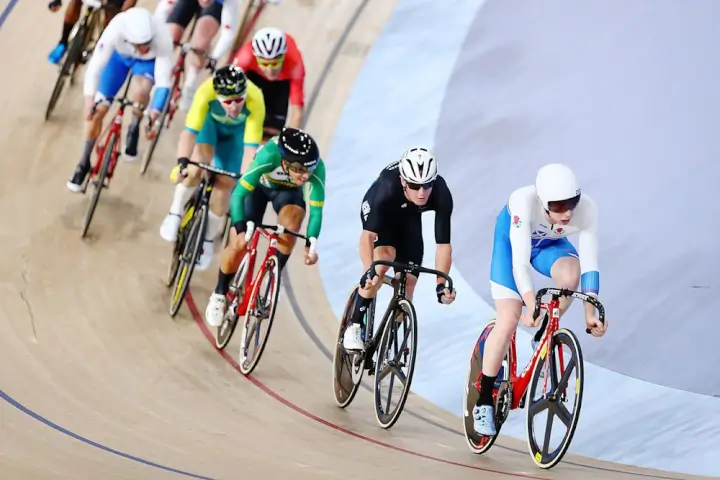
Track cycling is a highly specialized and competitive discipline. It takes place on a velodrome, which is a purpose-built oval track with steeply banked corners.
Everything here is optimized for speed. The bikes are minimal, often without brakes, and designed for maximum efficiency. Riders wear aerodynamic clothing and helmets to reduce resistance.
There are multiple race formats, from sprints to endurance events. Some are individual, others are team-based. The rules can be complex, but the objective is always the same. Go faster than everyone else.
Track cycling becomes especially visible during the Olympic Games, where it draws global attention and showcases some of the most precise and intense racing in the sport.