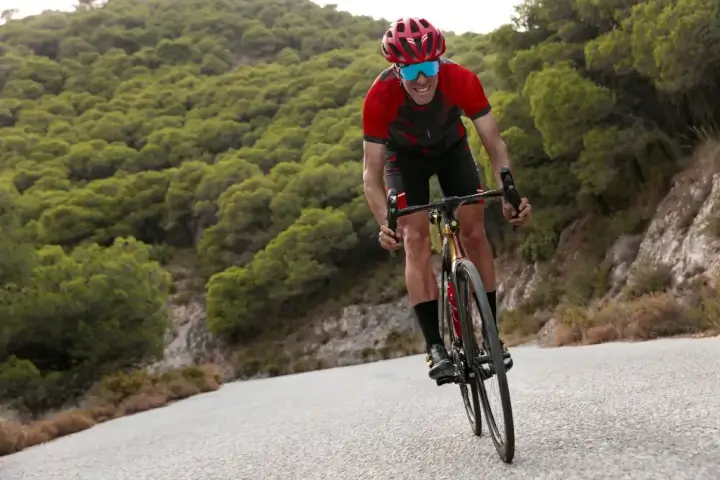
Group rides are one of the best parts of cycling but only if you know the rules. Here are 10 must-follow tips to keep you safe, smooth, and respected in the pack.
Riding with others is one of the most rewarding parts of cycling. Whether you’re logging training miles, preparing for a race, or simply enjoying a social spin, group rides push you out of your comfort zone and make the experience more fun.
If you’re new to this type of riding, there are a few key rules you should know before you clip in.
And if you’ve been at it for years, consider this a quick etiquette refresher to make sure you’re respecting the pack.
Rule #1: Obey traffic laws
Your safety and the safety of your group comes first. Always follow the rules of the road.
Stop at red lights, yield where necessary, and ride single file on busy roads or blind corners.
Remember, even if you’re in a large group, that doesn’t mean you own the entire road.
Rule #2: Communicate constantly
Clear communication is non-negotiable. Call out hazards like “glass” or “pothole” and point them out with hand signals so everyone behind you is aware.
If a car is approaching from the back, let the group know with a loud “car back.”
Unsure of the hand signals? Ask before the ride. As a general guide: raise a hand for “stop,” extend your arm to indicate a turn, point down at hazards, and wiggle your fingers to signal loose gravel.
When in doubt, be more vocal rather than less.
Rule #3: Always pass on the left
Just as with driving, the left is for passing. Alert the rider ahead with a clear “on your left” before you move by. Passing on the right is unpredictable and unsafe.
Rule #4: Hold your line
When riding in a pace line or tucked on someone’s wheel, stability is everything.
Keep your bike steady, look ahead, and avoid weaving. Even the smallest erratic movement can cause a pile-up.
Rule #5: Keep the pace steady
If you’re leading, resist the urge to surge or brake suddenly. Aim for a consistent effort and smooth cadence, adjusting only slightly for terrain changes.
Riders mid-pack should also avoid abrupt movements slamming on brakes or darting sideways puts everyone at risk.
Rule #6: Be self-sufficient
Carry a flat repair kit and know how to use it.
A little practice goes a long way, and it ensures you’re not leaving the group waiting when something goes wrong.
Rule #7: Respect personal space
Need to spit or clear your nose? Check around you and move aside first.
Spraying your ride mates is never acceptable.
Rule #8: Don’t half-wheel
When riding side by side, keep your handlebars even with your partner’s.
Riding a few inches ahead is seen as rude and disrupts the flow of the group.
Rule #9: Stay as far right as possible
Even with a bike lane, some riders drift into the road unnecessarily. Keep right whenever you can it keeps drivers happy and lowers your risk.
Rule #10: Keep it smooth
Subtle movements are key. Small adjustments help keep the group safe and steady.
A common mistake is turning your whole body to look behind you. Instead, use a quick glance over your shoulder big motions often steer you off your line.
Riding with a group is one of the best ways to grow as a cyclist, but it comes with responsibility. Follow these simple guidelines and you’ll make every ride safer, smoother, and more enjoyable for everyone.