A waxed chain can save more watts than a set of aero wheels, for a fraction of the price. The catch is doing it right.
You can spend two thousand pounds chasing five watts.
New aero wheels, a slippery skinsuit, a fancy chainring: the marginal gains industry is built on riders hunting tiny savings at enormous prices.
Meanwhile, one of the biggest bargains in the sport is spinning around under your feet, ignored. It is your chain.
And most riders are quietly losing watts to it on every ride, for one boring reason.
They are using the wrong lubricant, or using the right one badly.
The Drivetrain Is Leaking Watts
Your chain has hundreds of tiny moving parts, and every link is a little friction machine.
At race power, a poorly maintained or badly lubricated chain can cost you real energy.
That is watts you paid for with your legs, thrown away as heat and grinding metal.
The fix is not exotic. It is choosing the right lubricant and keeping the chain clean, and it sits comfortably beside the other cheap ways to make your bike faster.
Here is the part that stings for anyone who just remortgaged for wheels.
A good chain setup can save more watts than a premium aero wheelset, at a rounding error of the cost.
Enter the Man Who Tests Chains for a Living
If one person has dragged this subject into daylight, it is Adam Kerin of Zero Friction Cycling.
Kerin runs independent chain testing out of Australia, torture testing lubricants for both efficiency and wear. Where marketing makes claims, he publishes data.
His verdict is consistent, and a little uncomfortable for the oil crowd.
Immersive hot wax is the fastest and longest lasting option, and it is not close.
The Numbers That Matter
In controlled testing, a chain treated with quality hot wax sits around 3 to 4 watts of friction loss at a typical 250 watt effort.
Wet oil based lubricants tell a rougher story. They can start reasonably, then degrade to 5 to 8 watts of loss once real world grit works into them.
That gap is the whole argument. Depending on conditions, switching from a tired wet lube to a clean waxed chain can hand you something like 5 to 6 watts for nothing.
Speed is only half of it. The other half shows up on your credit card.
Friction is also wear. Every gritty link grinding against the next is slowly filing your chain, and eventually your cassette and chainrings, into scrap.
This is where wax runs away with it. In Kerin's testing, chains kept in wax reached the 0.5 percent wear replacement mark somewhere around 15,000 to 20,000 kilometres.
Many drip lubes, by comparison, saw chains worn out in as little as 3,500 to 6,000 kilometres. A wax pot that costs about the price of two bidons can save you multiple drivetrains.
Please, Not the Spray Can
A quick word on what not to do, because it is where a lot of watts and drivetrains go to die.
Blasting your chain with a household spray and calling it lubricated is not maintenance. It strips protection and leaves metal grinding on metal.
The shop loves it because you will be back soon, wallet open.
Use a product actually designed to lubricate a chain. That single choice separates riders who keep their watts from riders who donate them.
Where This Falls Short
Now the honest caveats, because you should not take any of this as gospel.
These friction numbers come from independent industry testing, most notably Zero Friction Cycling and the earlier Friction Facts work, not from peer reviewed journals.
The testing is rigorous, but it is not the same as academic publication.
Real world results also vary. Your exact savings depend on your chain, your conditions, and how diligently you maintain the setup.
And a fair disclosure: Kerin both tests lubricants and sells wax products through his business.
That does not erase his data, which lines up with other independent testers, but it is worth holding in mind.
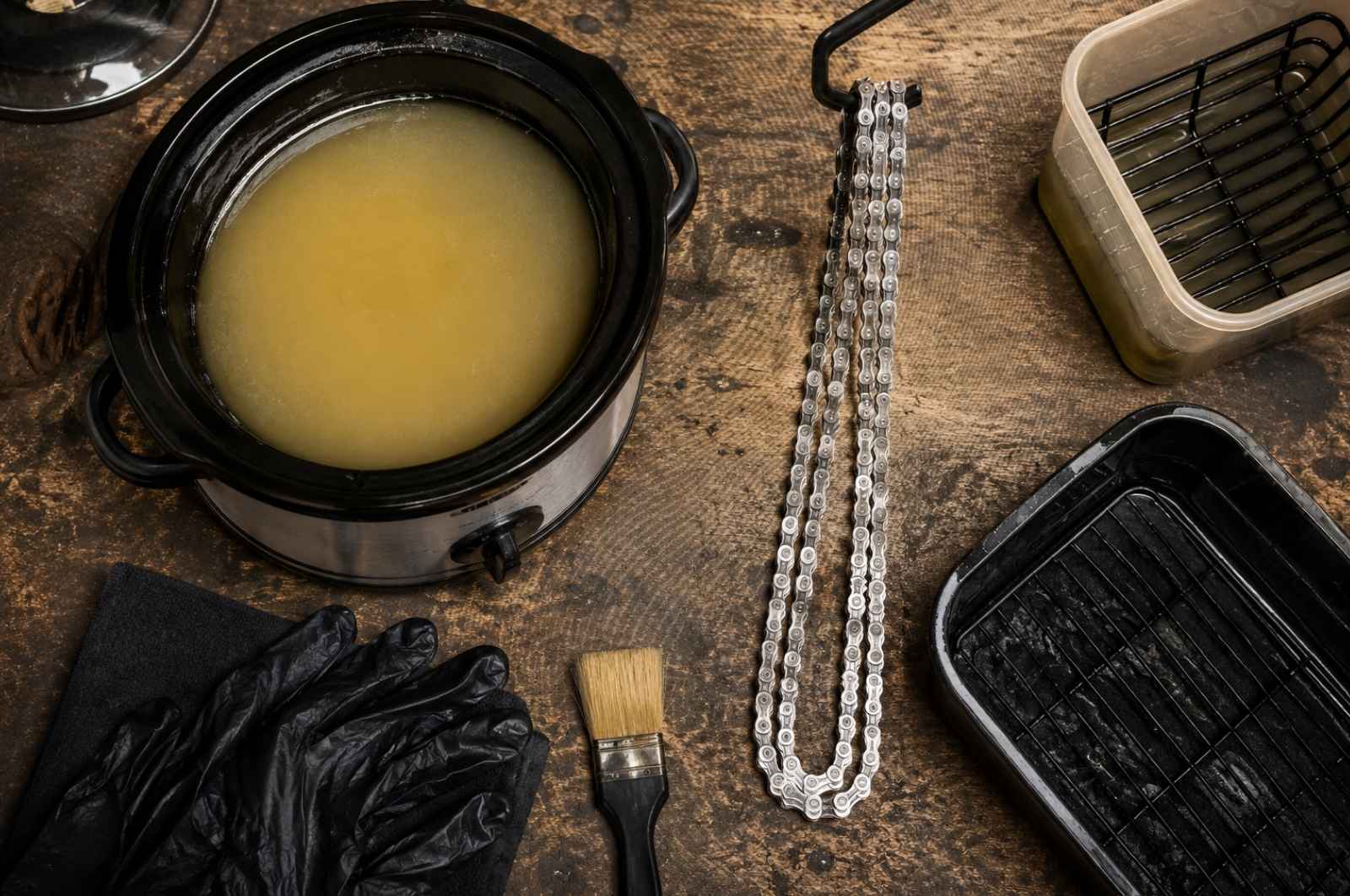
Hot wax also asks more of you up front. You have to fully degrease a new chain, melt the wax, and re wax periodically, which is more faff than squirting oil from a bottle.
.webp)