Is that high-pitched screech ruining your ride? Stop blaming the mud. The real cause of noisy brakes is often invisible and entirely your fault. Here is how to diagnose the problem and fix it for free before you ruin your rotors.
There is a sound every cyclist hates.
It is that high pitched screech when you pull the brake lever. It is loud enough to wake the neighbors and embarrassing enough to make you want to hide.
Most people assume the bike is just broken or old.
Others think it just needs a wash.
But the reality is usually much simpler and often entirely your fault.
The Invisible Enemy: Contamination
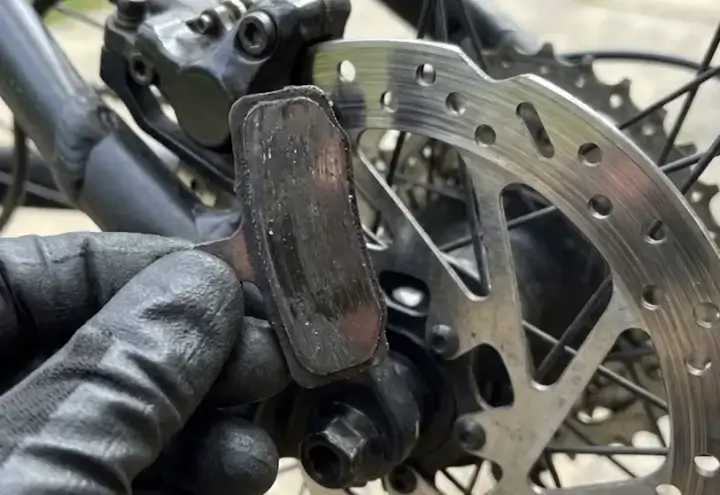
The number one reason for squealing disc brakes is contamination.
This does not mean mud or dirt. It means oil. Brake pads are like sponges. If they touch even a microscopic amount of oil, they soak it up and are ruined.
Where does this oil come from?
It often comes from the road spray when it rains. But more often, it comes from you.
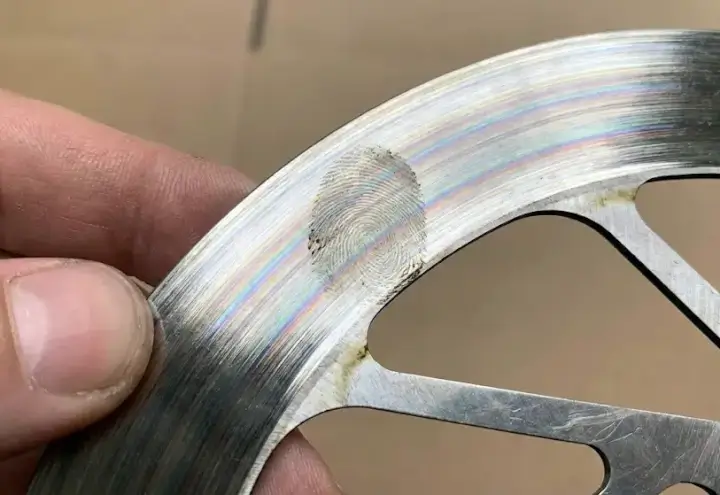
Did you touch the brake rotor with your bare fingers? The natural oils on your skin are enough to ruin the braking surface.
Did you use a spray lubricant on your chain and let a tiny mist drift onto the back wheel?
That is game over for your brake pads.
The Heat Factor: Glazing
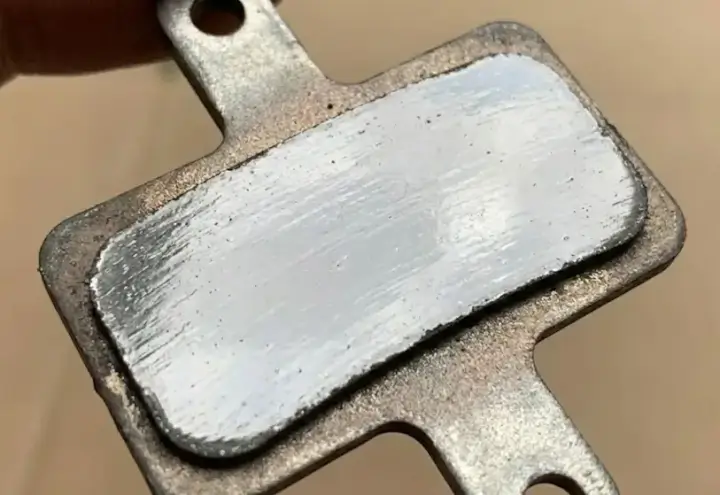
If your pads are clean but still screaming, you might be dealing with glazing.
This happens when you drag your brakes for too long on a descent.
The excessive heat melts the surface of the brake pad material and turns it into a hard, glass like surface.
Instead of gripping the rotor to stop you, the smooth pad just slides over it and vibrates. That vibration is the scream you hear.
How To Fix It For Free
Before you go to the bike shop and spend $50 on new pads and labor, try this.
Remove your wheel and clean the metal rotor with Isopropyl Alcohol and a clean rag.
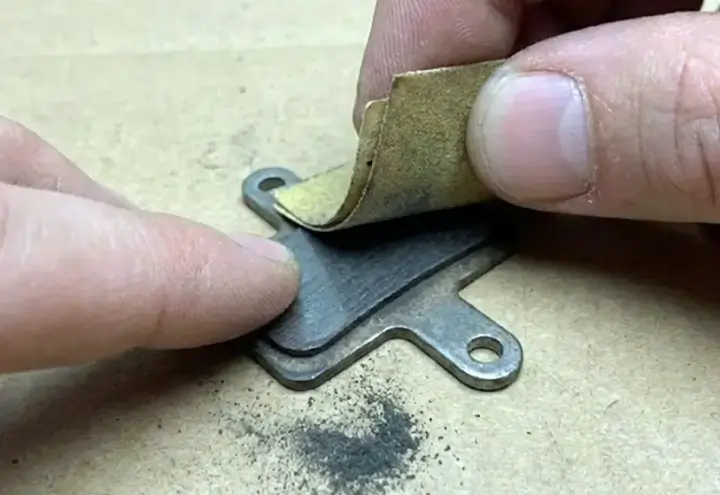
Then, take the brake pads out. If they look shiny or glazed, place a sheet of fine grit sandpaper on a flat table and rub the pad against it in a figure eight motion.
This removes the glazed layer and exposes fresh material.
Stop Guessing and Start Fixing
Brake maintenance is not magic. It is just a series of steps. If you are tired of paying a mechanic to do simple five minute jobs like this, you need to learn the basics.
We recommend the DIYBikeRepair course to learn how to safely remove my pads, sand them, and realign the caliper so it never rubs again.
It covers everything from stopping squeaks to full drivetrain overhauls. It is like having a master mechanic on your phone guiding you through every bolt and screw.
We wrote a review about DIYBikeRepair course here.
Stop being afraid of your own bike. With the right guidance, you can fix that noise today and ride silently tomorrow.